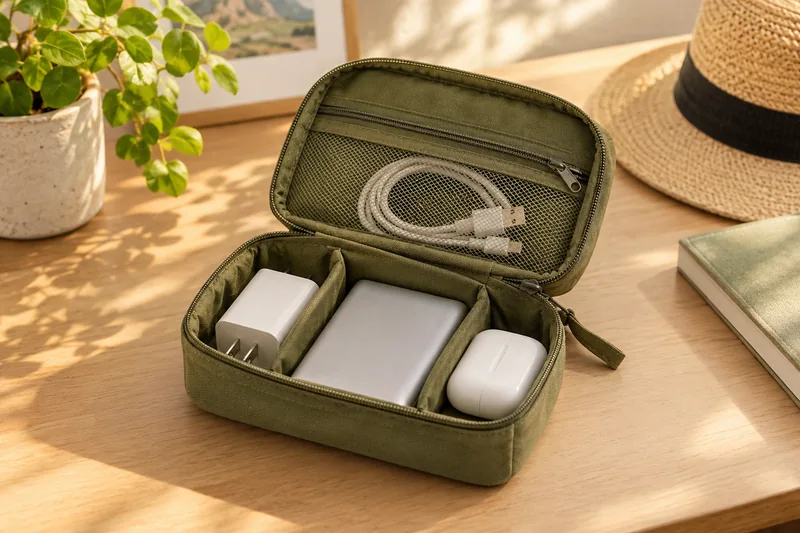
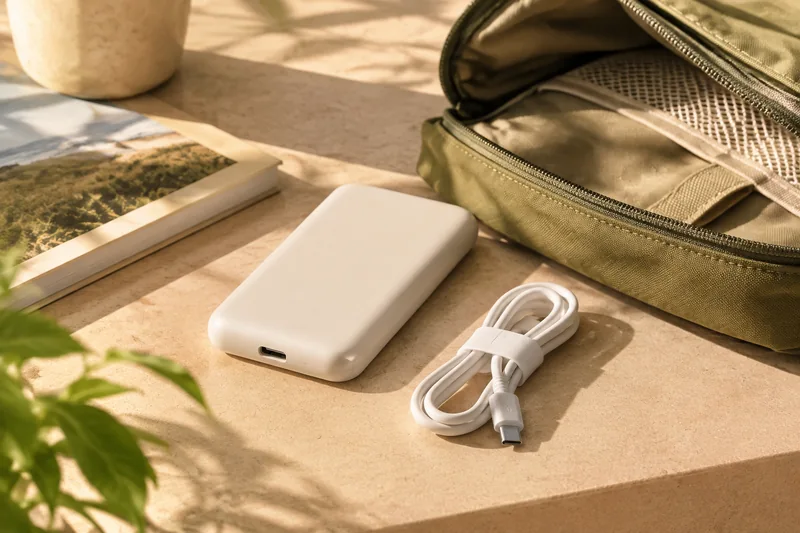
A power bank is a battery, not just another charging accessory. Before flying, check its stated specifications and the rules for your actual airline. Do not assume that a product being sold for travel means it is permitted in every quantity, capacity or situation.
This guide explains how to organise the checks using official sources. It is not a substitute for your carrier’s approval, and it does not advise carrying a damaged, recalled or unidentified battery.
Start with the official carry location
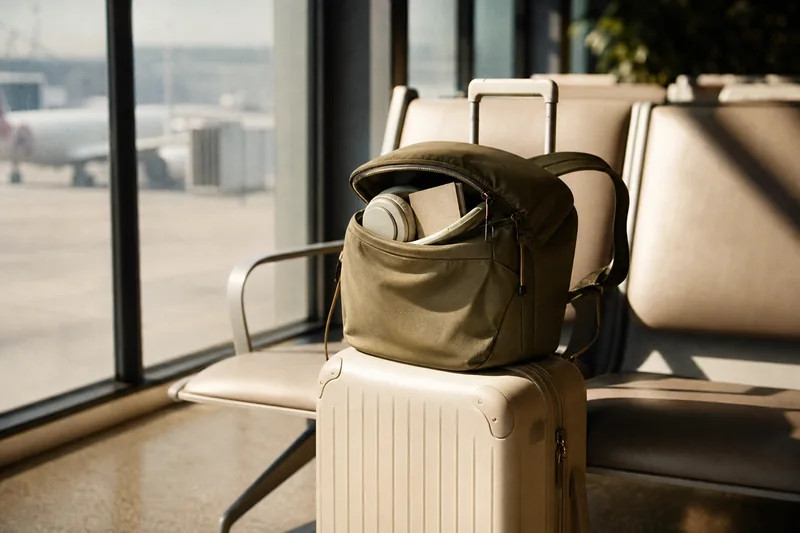
The FAA’s spare lithium battery guidance, reviewed on 3 November 2026, says spare lithium batteries, including power banks, must be carried in carry-on baggage only. It specifically says to remove them when a cabin bag is checked at the gate or planeside and keep them with you in the cabin.
IATA’s passenger guidance also describes spare batteries and power banks as cabin items. These sources do not eliminate the need to check the actual airline’s restrictions for the route.
Read the watt-hour rating
Look for the manufacturer’s watt-hour figure, usually written as Wh, and retain access to the relevant product information. Do not treat a large mAh number alone as a complete travel permission: watt-hours also depend on voltage.
The FAA explains the calculation as voltage multiplied by amp-hours. For example, the arithmetic for a battery labelled 3.7 V and 10 Ah is 37 Wh. That is a calculation example, not a certification of a particular product, and you should use the manufacturer’s actual rating rather than a guessed voltage.
Verify capacity, quantity and airline conditions
The reviewed FAA page describes a 100 Wh limit for the ordinary lithium-ion spare-battery category and additional approval conditions for certain larger batteries. It also warns that airlines may apply stricter quantity and Wh limits, including limits specific to power banks.
Instead of turning that into a blanket “anything below 100 Wh is always fine” statement, check these points with the carrier:
- Is the particular battery type and capacity permitted?
- How many power banks may you bring?
- Is approval required for the item you intend to carry?
- Are there restrictions on where it is stored or used during the flight?
- Are there additional conditions for your itinerary?
If a label is missing or the specification is unclear, contact the manufacturer or airline before travel. Do not improvise an identification sticker or assume staff will accept an estimate.
Protect the battery appropriately
The FAA guidance requires protection against damage and short circuits. Follow the source’s handling guidance and the manufacturer’s instructions. Keep exposed terminals from contacting metal objects, and use an appropriate protective arrangement rather than leaving loose batteries with keys and coins.
The same page discusses damaged or recalled batteries that could create sparks or dangerous heat. Do not treat packing them carefully as a solution; seek the relevant official guidance and airline instructions. A travel organiser cannot change an item’s safety status.
Make the gate-check plan before departure
Keep power banks easy to remove from the larger bag. If staff move that bag to the hold, tell them about relevant battery items and follow their instructions before handing it over. Do not wait until the bag has left your possession.
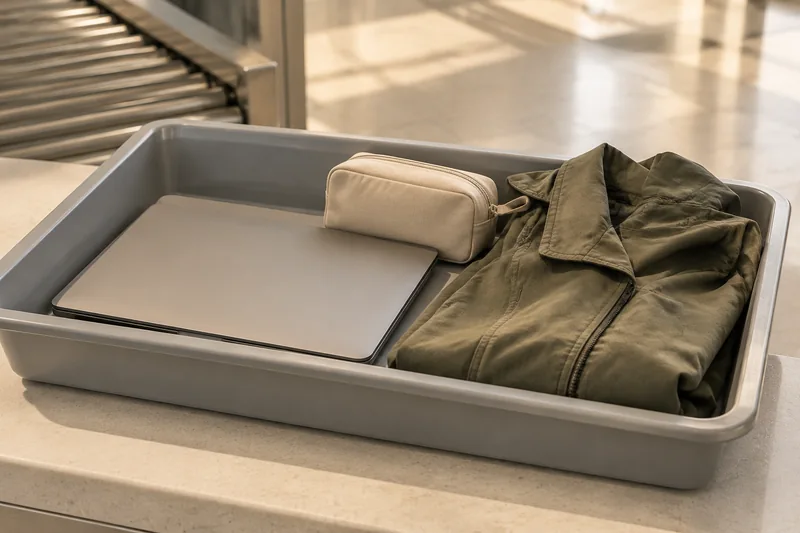
Finally, check the current source pages near travel and follow onboard instructions. A neat tech kit should make these requirements easier to comply with, not hide the battery beneath a tightly packed wardrobe.