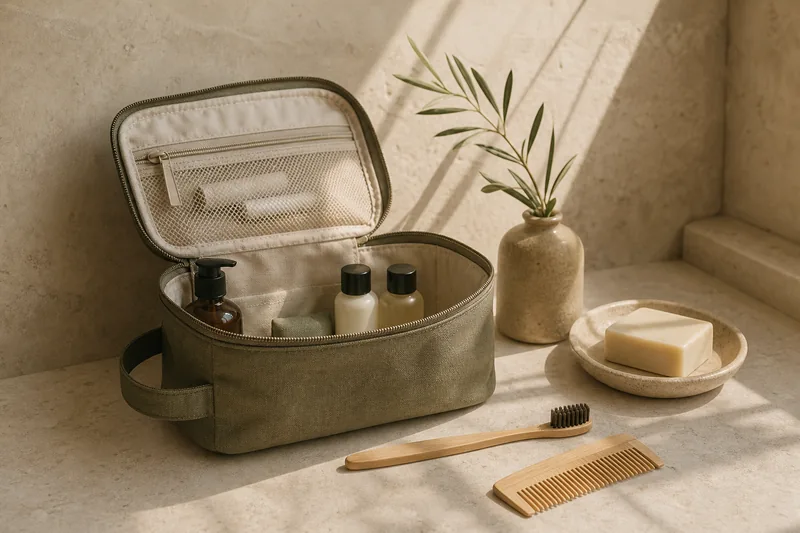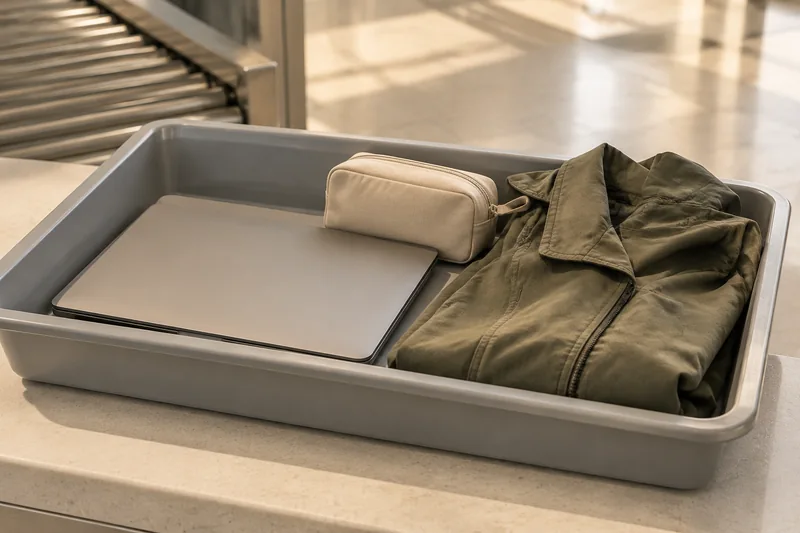
Do not assume that all UK airports use identical liquid-screening rules. The GOV.UK guidance reviewed on 3 November 2026 explicitly says the rules depend on the airport and tells travellers to check departure, transit and return airports.
That matters when choosing containers. A bottle accepted on the outward journey is not automatically accepted when you fly home. Read the relevant airport’s current instructions before packing, particularly if you are relying on an allowance larger than the familiar 100 ml container limit.
The container matters
GOV.UK says that at most airports you cannot take liquids in containers larger than 100 ml through security under the ordinary rules. A container that is only partly full still falls under its stated capacity. Some airports may allow containers holding up to two litres, so verify the specific location rather than applying that larger allowance everywhere.
Liquids include more than drinks. The official list includes creams, lotions, oils, perfumes, mascara, sprays, toothpaste, gels and contact-lens solution. A thick consistency or a small-looking tube is not a dependable reason to leave an item out of your check.
When a separate transparent bag is required
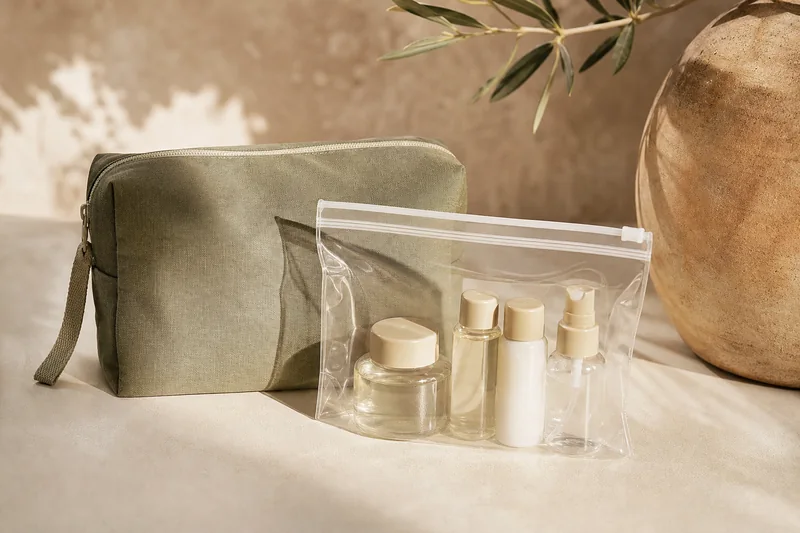
Not every airport requires liquids to be presented in the same way. Where an airport requires a separate bag, GOV.UK describes a single transparent resealable plastic bag holding no more than one litre and measuring approximately 20 × 20 cm.
Its contents must fit comfortably so the bag can close, and the guidance limits that bag to one per person. Follow the airport’s instructions for presenting it at screening. Do not arrive with a collection of overfilled pouches and assume their combined contents will count as one compliant bag.
Know the exemptions without assuming approval
The official guidance describes exemptions for essential medical purposes, special dietary requirements, baby food and baby milk. These have their own conditions and possible screening requirements. See our medicine organisation guide and the actual official page for your situation; a cosmetic item does not become exempt because it is personally useful.
For duty-free liquids, GOV.UK describes keeping the purchase and receipt sealed inside the security bag and not opening it before the final destination. Screening staff may still need to inspect it. Check connecting-airport requirements as part of the whole route.
Use the correct authority for the next country
UK guidance explains UK requirements. It is not a substitute for the rules at a US departure airport or an EU connection. Consult the TSA liquids guidance for US screening and the Your Europe baggage page together with the relevant airport for an EU journey.
If two pages appear to disagree, check their jurisdiction, date and whether an airport-specific exception is involved. Use the actual airport or authority to clarify rather than combining the most generous parts into a new rule.
A practical packing routine
Make a short list of the liquids you need, check each container’s capacity and place screening items somewhere accessible. Keep essential exceptions separately identifiable and carry any required supporting material. Review the airport page again near departure if your trip was planned well in advance.
Finally, follow the instructions given at the checkpoint. Bag fit and liquid screening are separate checks, and airport staff retain responsibility for security decisions. A calm, accessible packing layout helps you respond without emptying the rest of your luggage.